Lab Activity 1.4
The Sea Floor

  Directions

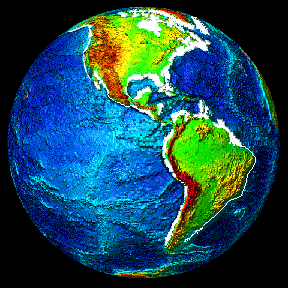
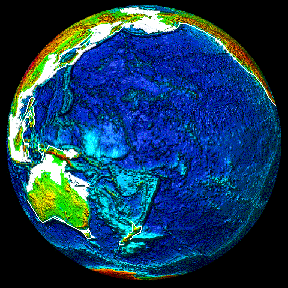
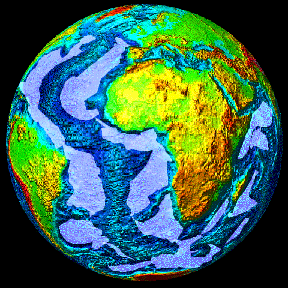
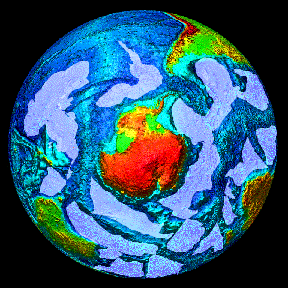
Study the instructional material below. Be sure to click on each of the photographs for an enlarged view in a separate window. The larger version is necessary to complete the assignment. It opens in a separate window which can be resized by grabbing the bottom right corner and dragging it. It can also be moved by grabbing the top heading bar and dragging it. Be sure to close the extra window by using the X in IBM, or the close box in MAC when you are finished using them.

  Introduction


The natural features of the sea floor include immense chains of mountains, deep canyons, and wide basins. Scientists have used sonar technologies to peer through the water, mapping and identifying the various features of the sea floor throughout the world. This has helped scientists develop a better understanding of the immense forces at work in producing them.

Top  Instruction

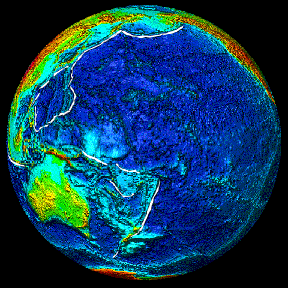
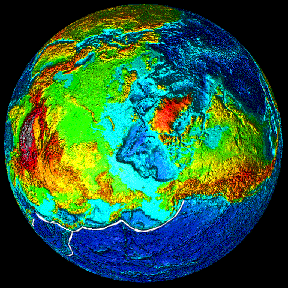
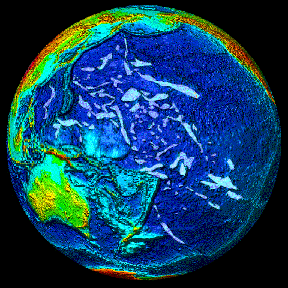
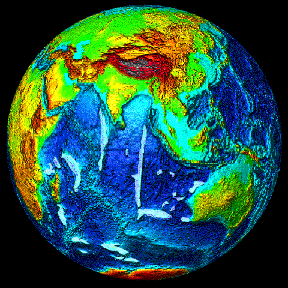
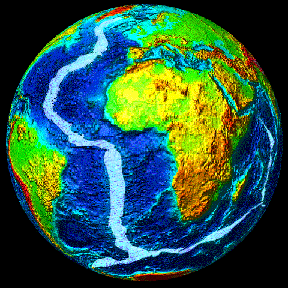
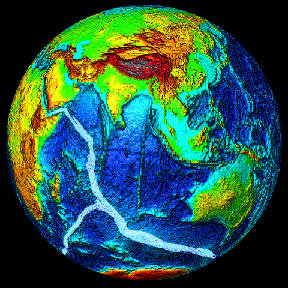
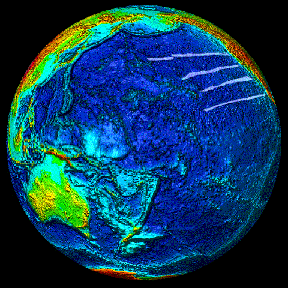
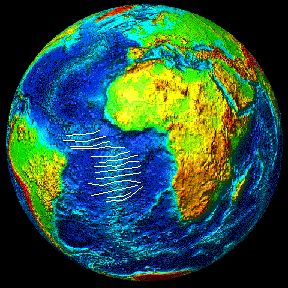
Study the information and the photographs of the sea floor depicted below. The whitened areas in the photographs indicate the features you're to study. Learn to recognize them.

Be sure to write about what you are learning in the lab section of your notebook. You will be expected to answer questions about the lab activity during the lab self test and lab quiz. It helps to have your text and coloring books open beside you for support.

 
Supporting Information
Refer to the Assigned Readings Below:
Marine Biology Textbook Chapter 2, pages 26 to 28
Marine Biology Coloring Book None


Continental Shelf

  1. Borders continents
  2. Wider on passive continental margins


Abyssal Plains

  1. Large flat areas that make up the majority of sea floor
  2. Extensive near passive continental margins


Trenches

  1. Deep canyons located on active continental margins
  2. Seaward of volcanic mountain ranges or island arcs


Seamounts

  1. Mountains that rise from the basin floor
  2. Located away from plate boundaries and continental margins


Ridges

  1. Large mountain systems that extend for thousands of miles
  2. Often in mid-ocean but some are near continents


Fracture Zones

  1. Large cracks in the sea floor that may extend for thousands of miles
  2. May offset continental margins or run across ridges